
Main Media
Site Background
Riverview_Demo_Info_Sheet_-_AB
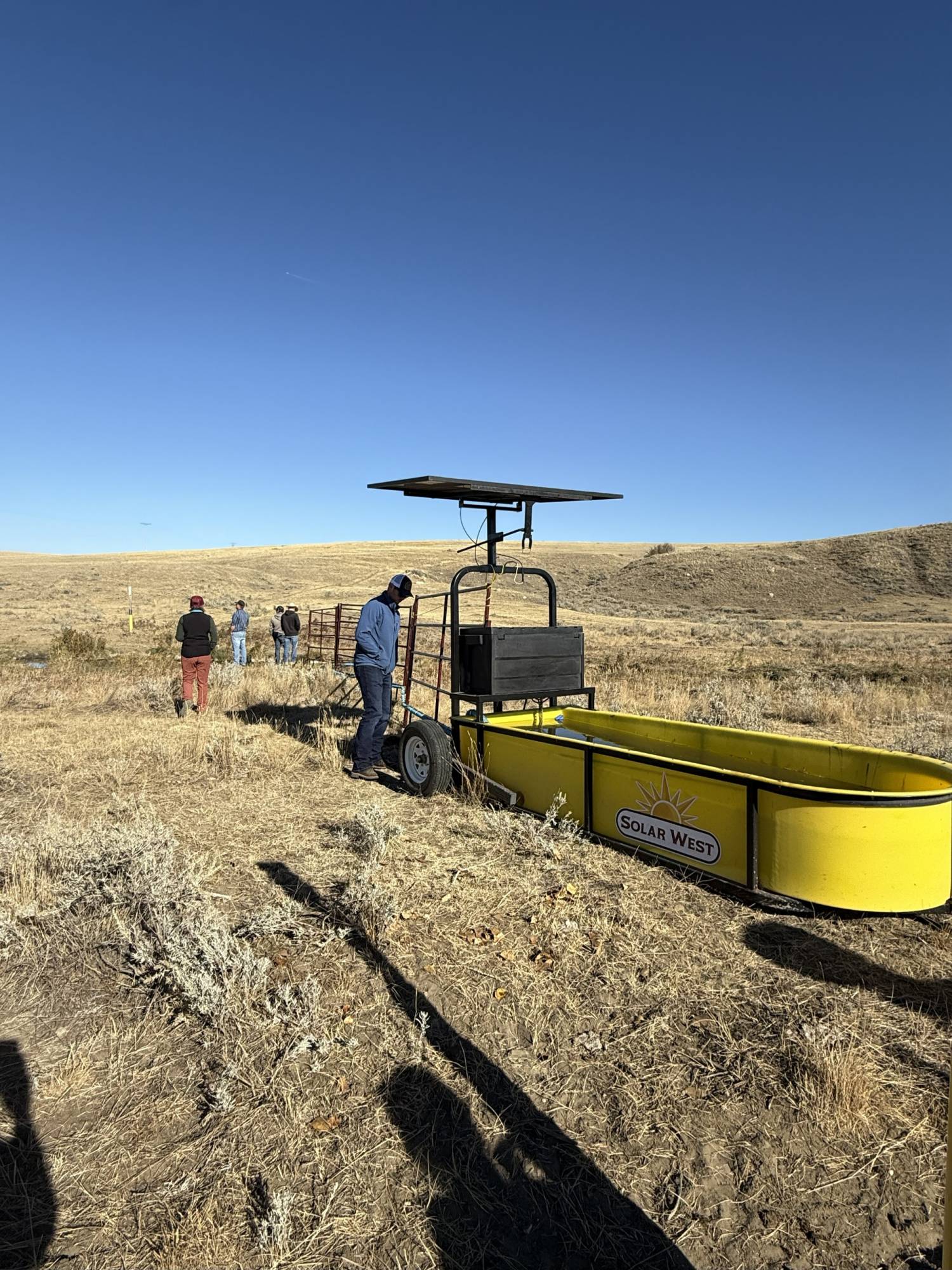
About the Location
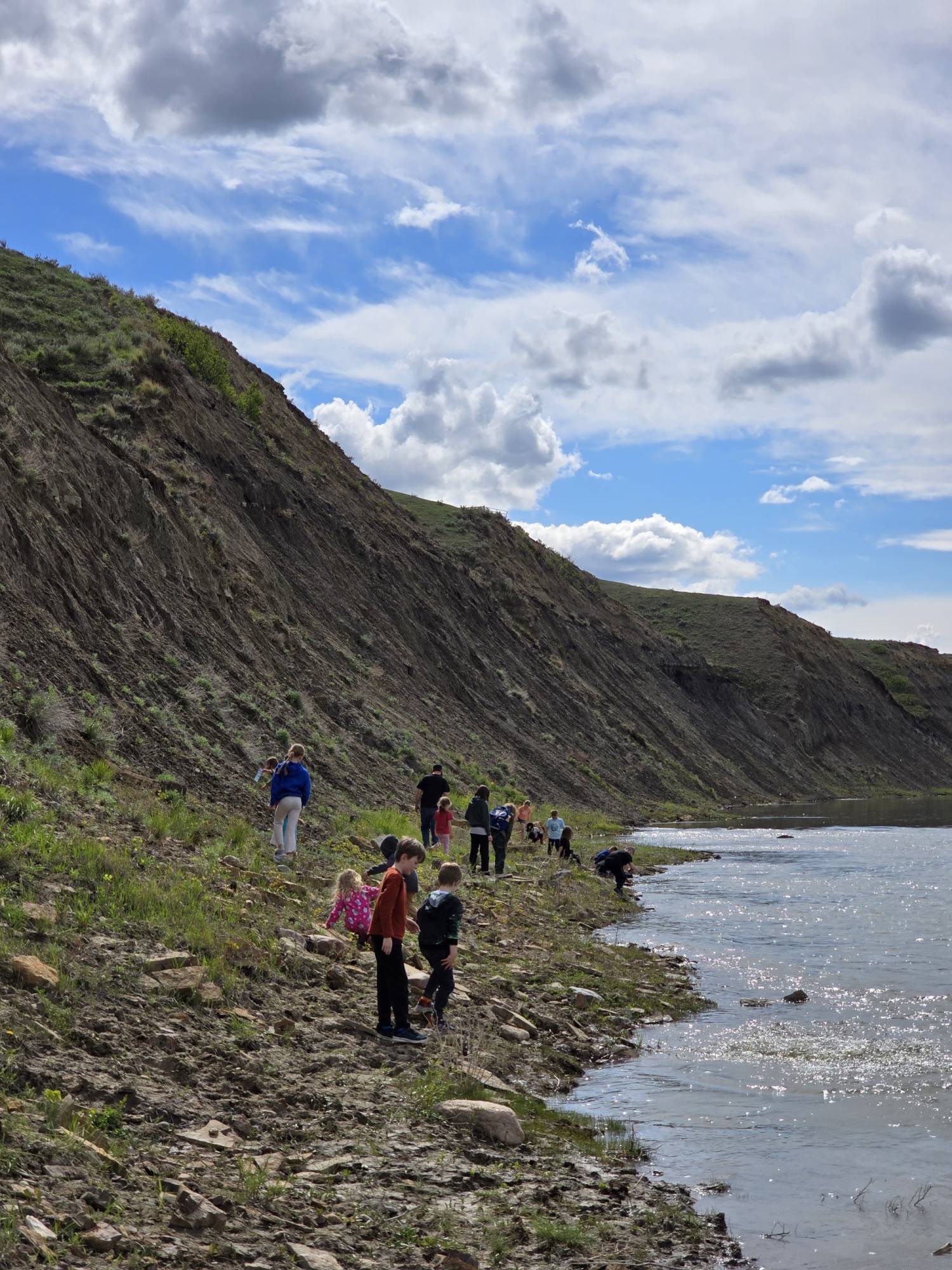
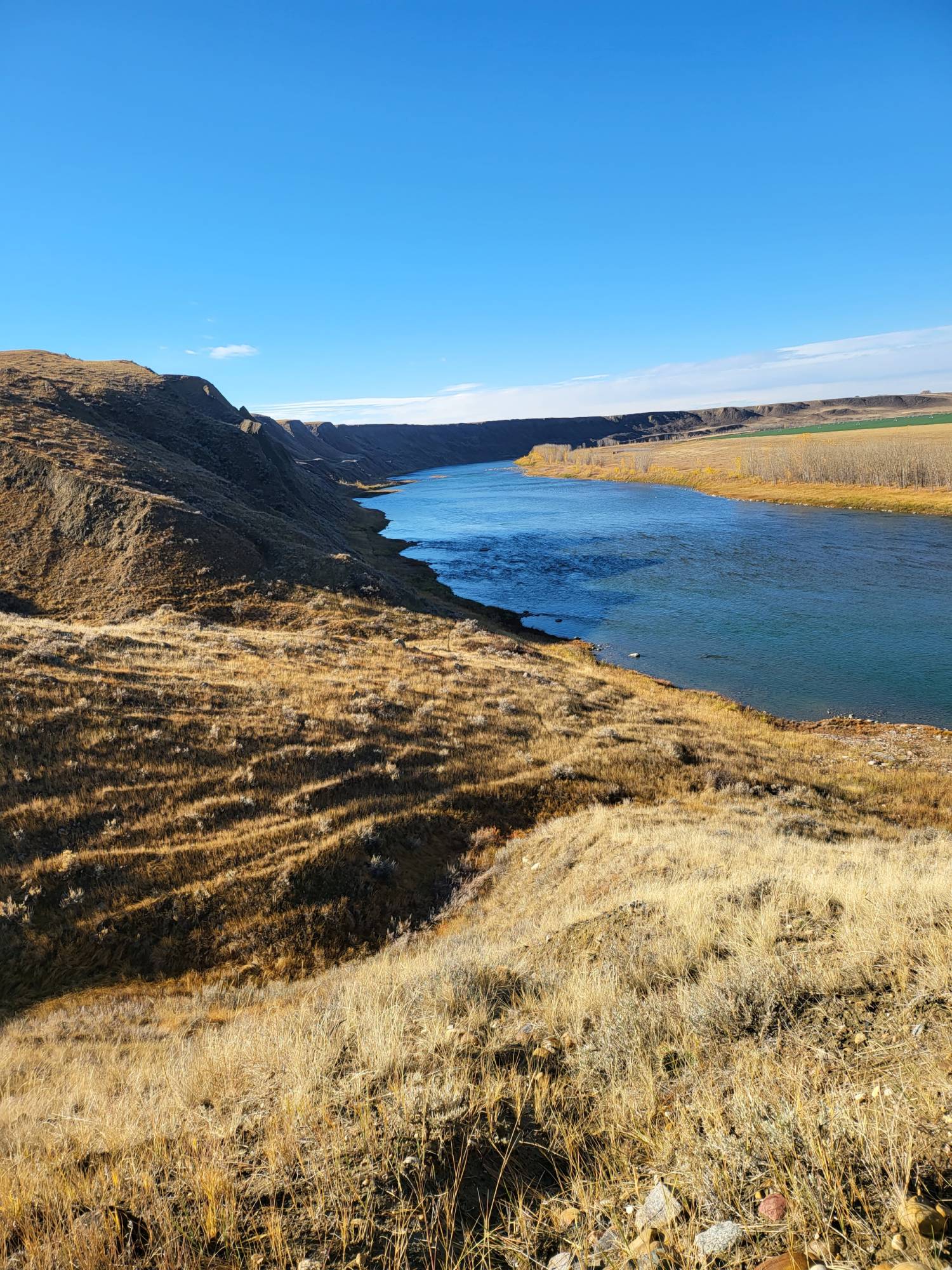
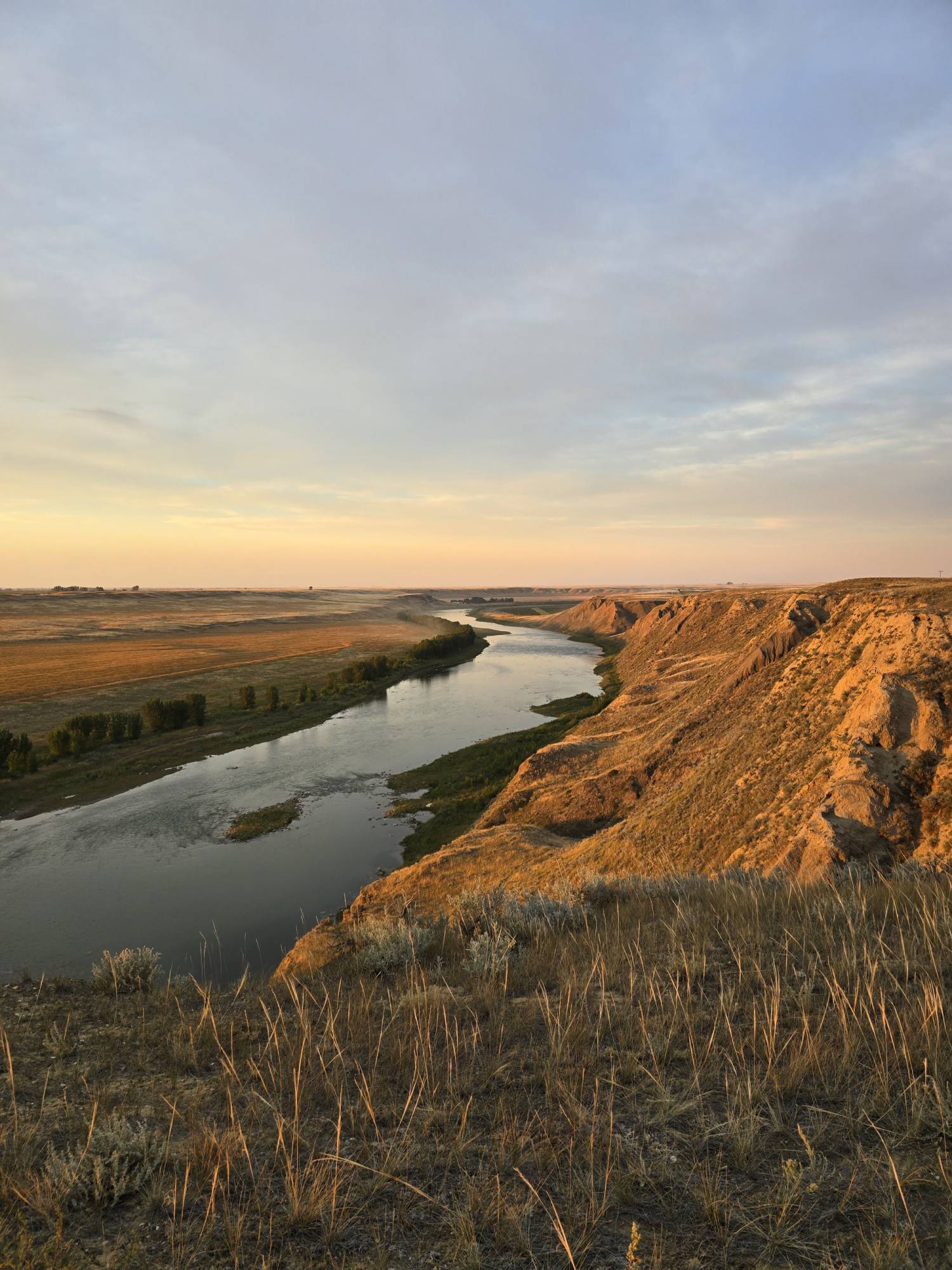
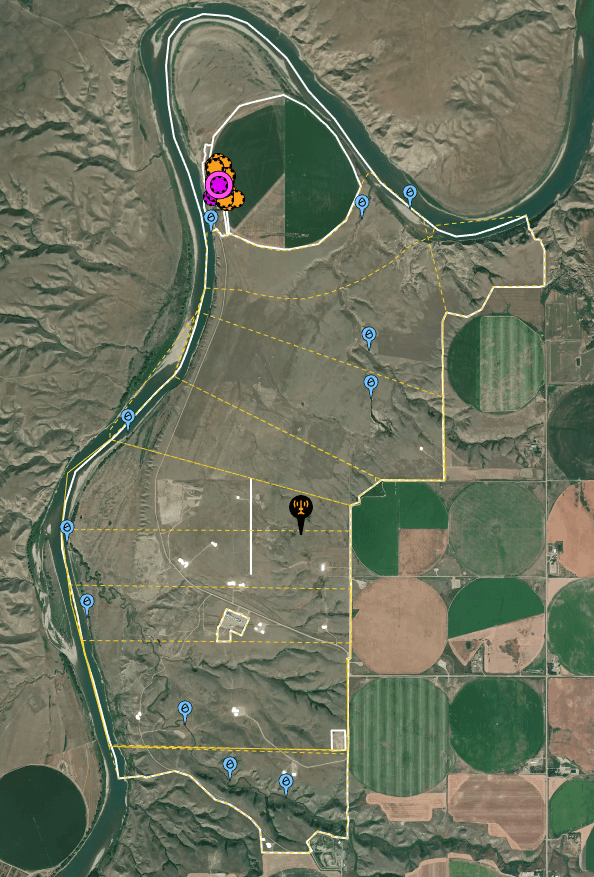
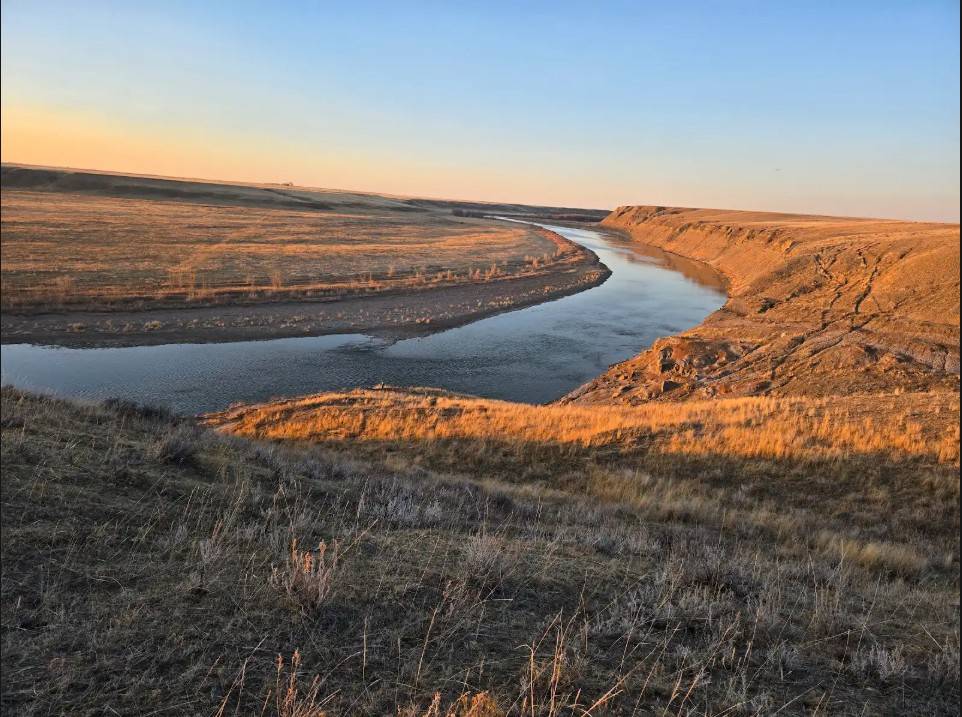
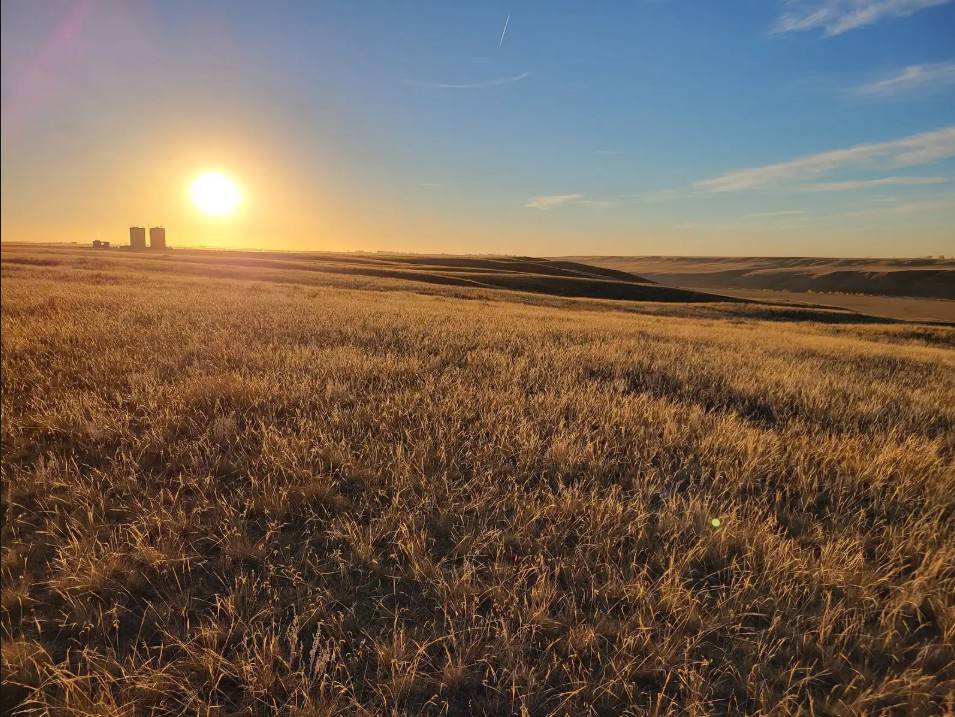
The 3000-acre Riverview Ranch Demonstration Site is located in the the Dry Mixedgrass Natural Subregion north of Bow Island, Alberta. This recently acquired ranchland is crossed by the Bow River and characterized by native prairie grasslands and coulees.
The warmest and driest part of the Canadian Prairies, this region typically sees less than 350 mm of precipitation annually, with some estimates closer to 270 mm over the past decade. Average temperatures include a summer mean of 19°C and a winter mean of -12°C.
Soils are predominantly thin-to-average Brown Chernozems.
Forage conservation and efficient pasture utilization are critical management priorities for the operation.
About the Farm
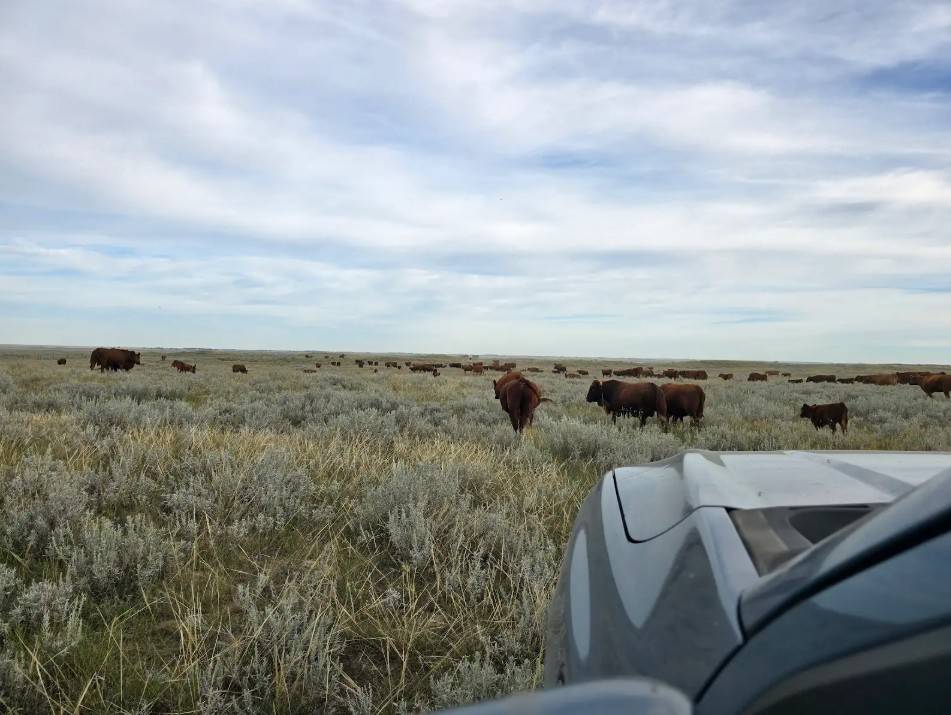
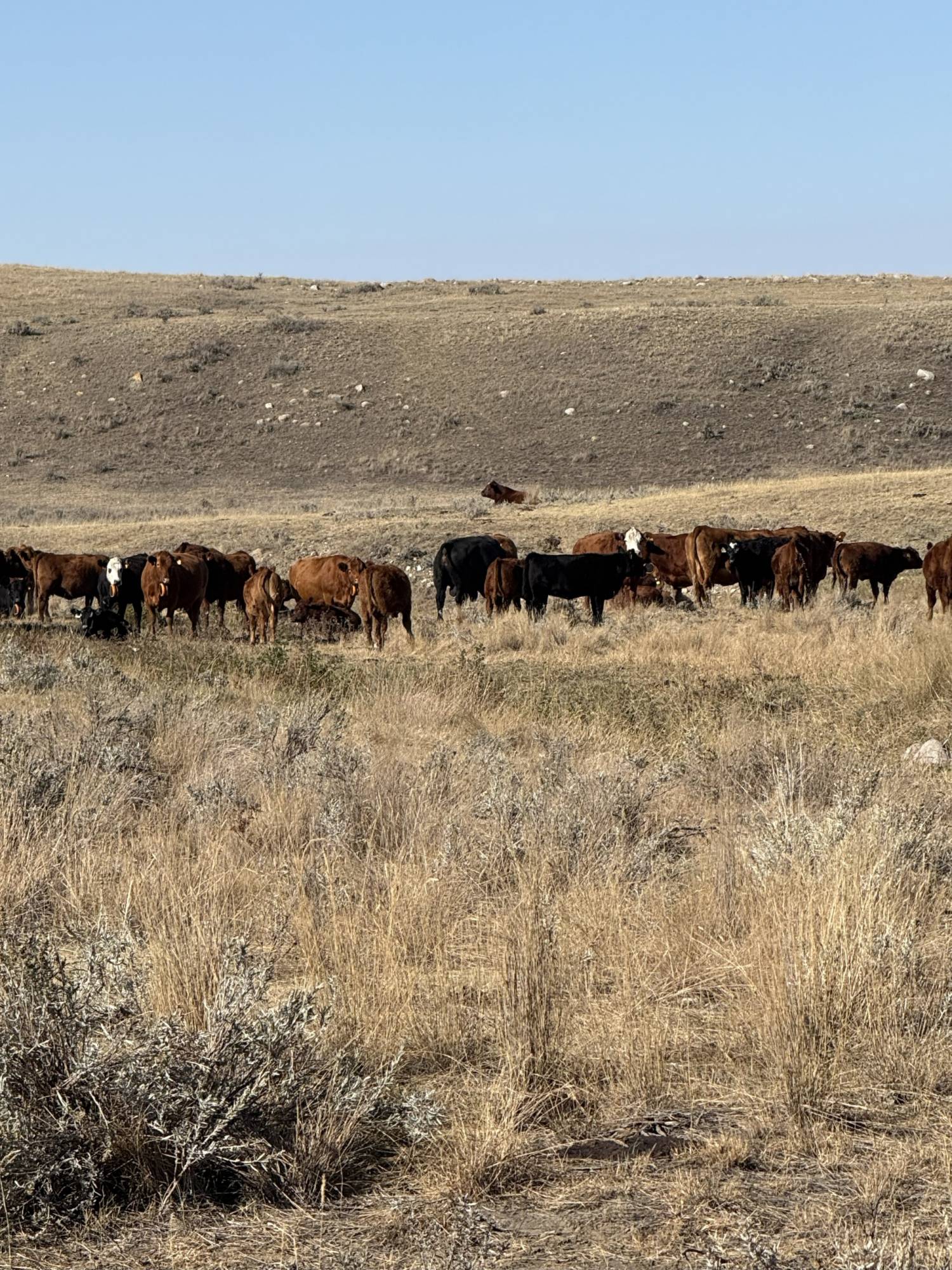
Owned by the Torrie family, Riverview Ranch is a multi-generation cattle operation with more than 100 years of ranching history. The operation currently manages approximately 320 Red Angus cow-calf pairs and expanded in 2025 with the purchase of the Bow Island Ranch, which added an additional 120 cow-calf pairs of mixed breeds.
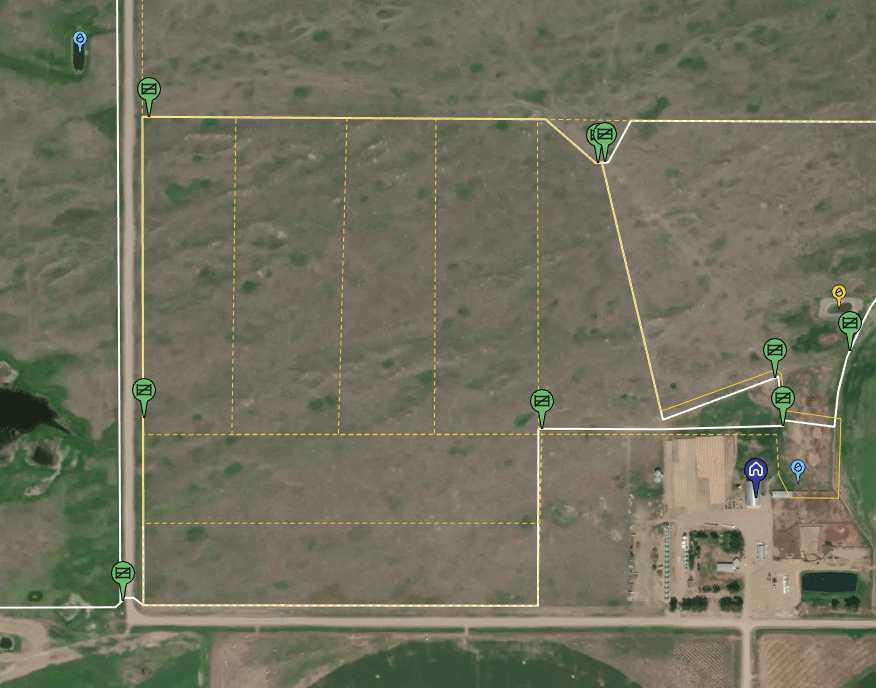
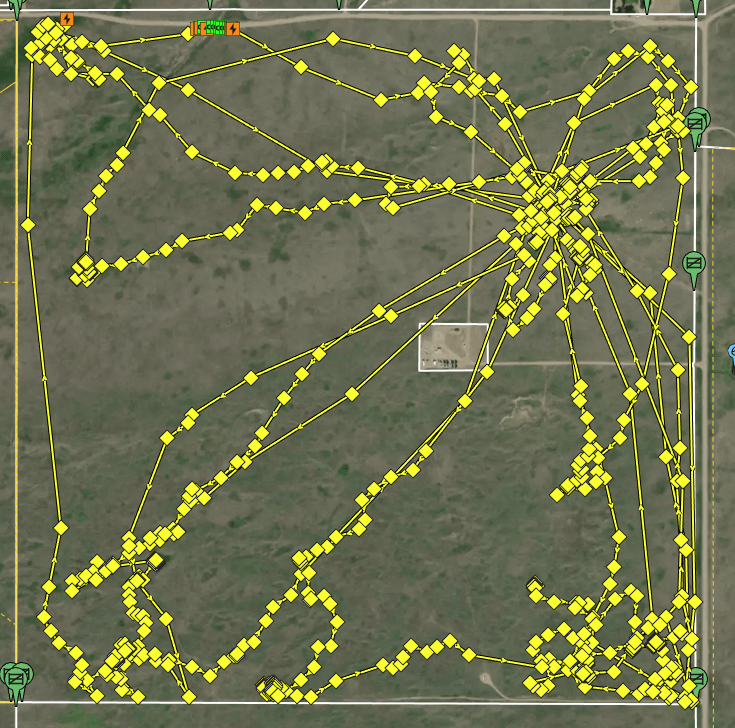
The ranch takes a very hands-off approach, with late calving on pasture and everything kept as natural as possible. Without interior fencing, cattle freely grazed all 3000 acres of the ranch previously. The adoption of new grazing management tools is part of a plan to better track the animals and their grazing habits, enabling more efficient use of the available grass.
Learning about Rotational Grazing
The Torries learned about virtual fencing through conferences and online research and faced a number of challenges that made trialing the technology an appealing option. Despite interest in rotational grazing, installing traditional cross-fencing on the ranch’s large pastures would be time-consuming, expensive and, given terrain that included river cliffs and coulees, in some areas, impossible. As well, the 45-min drive from the home ranch made frequent livestock movement and close supervision difficult. Adopting rotational grazing practices had the potential to support increased herd size and make more efficient use of available grass.
Upon hearing about the funding opportunities for virtual fencing, they felt like it was a good time to give it a try.
The Rotational Grazing Objectives
The primary objective of this project was to demonstrate how virtual fencing can be used to implement an intensive rotational grazing system that improves forage utilization, limits the need to build and maintain fences in unsuitable terrain, and enables data collection and herd management at a distance.
In the short term, the goal was to successfully train cattle to respect virtual boundaries and to establish reliable, frequent livestock movements that prevent overgrazing and uneven pasture use.
Over the long term, the project aims to increase the number of grazing days per acre, improve regrowth consistency, and use animal movement data to refine pasture management decisions. Riverview Ranch intends to use virtual fencing as a core management tool across multiple ranch locations, to improve pasture resilience and support adaptive grazing strategies in low-moisture environments.
Agronomic Details
The Bow Island Ranch consists of native grassland that historically has been grazed in large paddocks with limited internal subdivision. Formal soil testing was not completed for the project area, but visual pasture assessments were conducted throughout the 2025 grazing season to evaluate utilization levels and regrowth timing. No chemical weed control was applied as part of the virtual fencing trial year.
Project Overview
Riverview Ranch is participating in a rotational grazing demonstration project supported by the Canadian Forage and Grassland Association (CFGA) through the On-Farm Climate Action Fund. The project explores the use of virtual fencing technology, specifically the eShepherd system by Gallagher, as a management tool to enable more intensive rotational grazing in challenging prairie terrain while reducing the need for physical fencing infrastructure. The project also evaluates how virtual fencing can improve livestock distribution, protect sensitive areas, and support climate-smart grazing practices in southern Alberta.
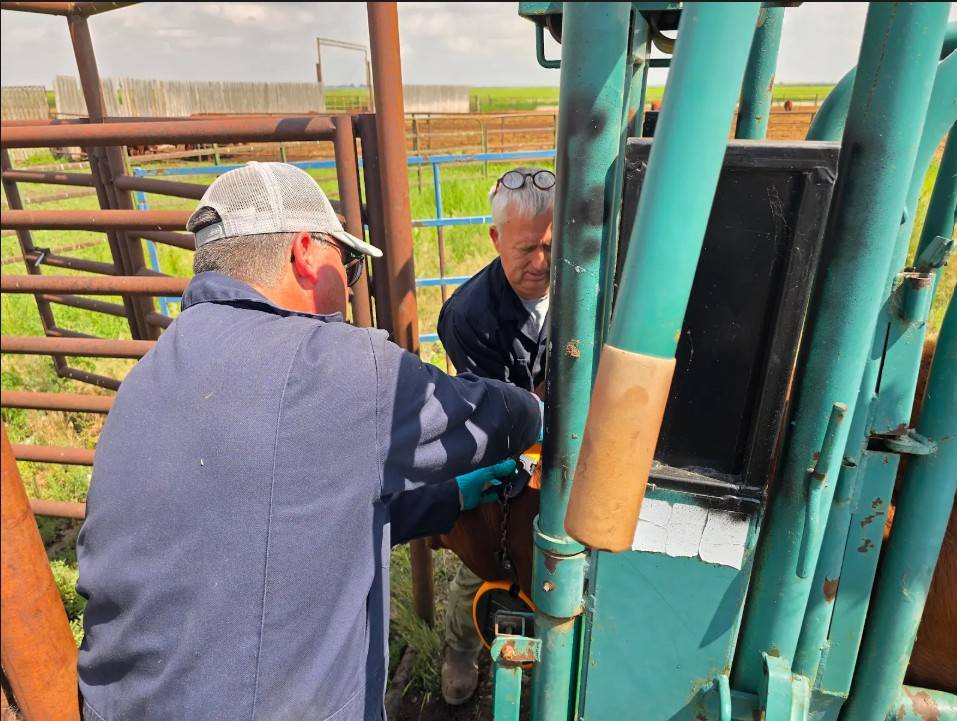
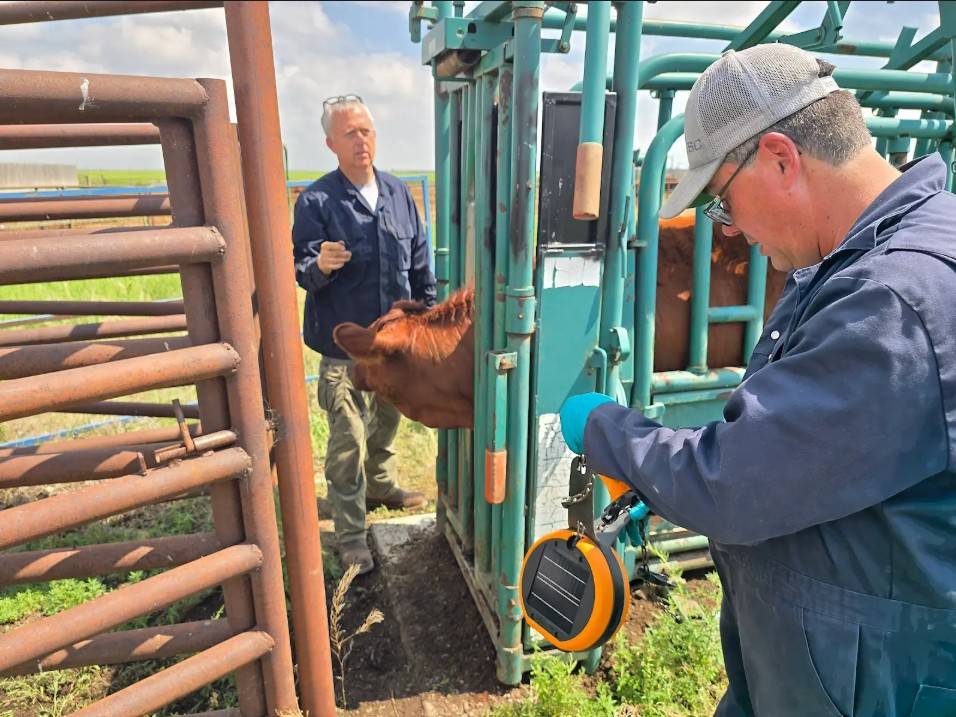
The project uses GPS-enabled eShepherd collars manufactured by Gallagher to create digital paddocks that can be adjusted in real time using a mobile application. Cattle are trained through a learning process in which an audio cue is followed by a mild pulse if the animal continues toward the virtual boundary. Over time, animals learn to respond to the audio cue alone and avoid crossing the digital fence line.
The system uses either cellular or radio connectivity, depending on location and signal availability, and relies on base stations for radio communication. Riverview Ranch chose the radio system in Bow Island because cell service was very limited in the river valley. The project received funding support through the CFGA On-Farm Climate Action Fund, which covered approximately 70 percent of the program costs.
Baseline Grazing Conditions
Prior to the project, grazing on the Bow Island Ranch relied on large pasture units with infrequent livestock movement and limited control over grazing pressure in specific areas. Livestock distribution was uneven and detailed data on animal movement and grazing pressure were not available. Additionally, given the land and the herd were both new to the Torries, they had limited hands-on experience with the conditions and animal tendencies.
What’s Happening
Key Insights from 2025
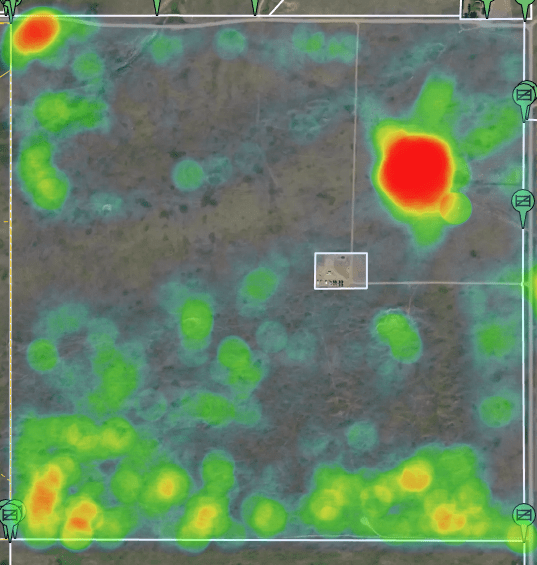
During the 2025 grazing season, the project demonstrated that virtual fencing can successfully contain livestock once animals acclimate to the technology. The learning curve for the Torries included keeping paddock design simple with straight lines to minimize animal confusion, fitting and adjusting collars (two or three animals had collars rub and cause bleeding, possibly due to user error), and becoming accustomed to the software interface. Overall, the demonstration went smoothly and ranchers and livestock both adapted quickly. The Torries gained valuable insights into animal behavior, including preferred watering and grazing areas, and appreciated receiving real-time alerts when problems arose.
What Changes Are Planned for the Future
For the 2026 grazing season, Riverview Ranch plans to increase the number of collared animals, specifically at their Grassy Lake ranch, and implement more formal soil and pasture monitoring protocols to better quantify environmental impacts.
Beyond 2026, the Torries are keen to operate virtual fencing as a permanent component of their grazing management system, collaborate with other producers and research organizations, and continue participating in CFGA demonstration and knowledge-transfer initiatives.
Additional Media
Funding for this project in part has been provided by Agriculture and Agri-Food Canada through the Agricultural Climate Solutions – On-Farm Climate Action Fund.